Blog
Trust and Scams in the Pokémon TCG: Spotting Real vs. Fake Booster Boxes, Slabs, Cards, and More

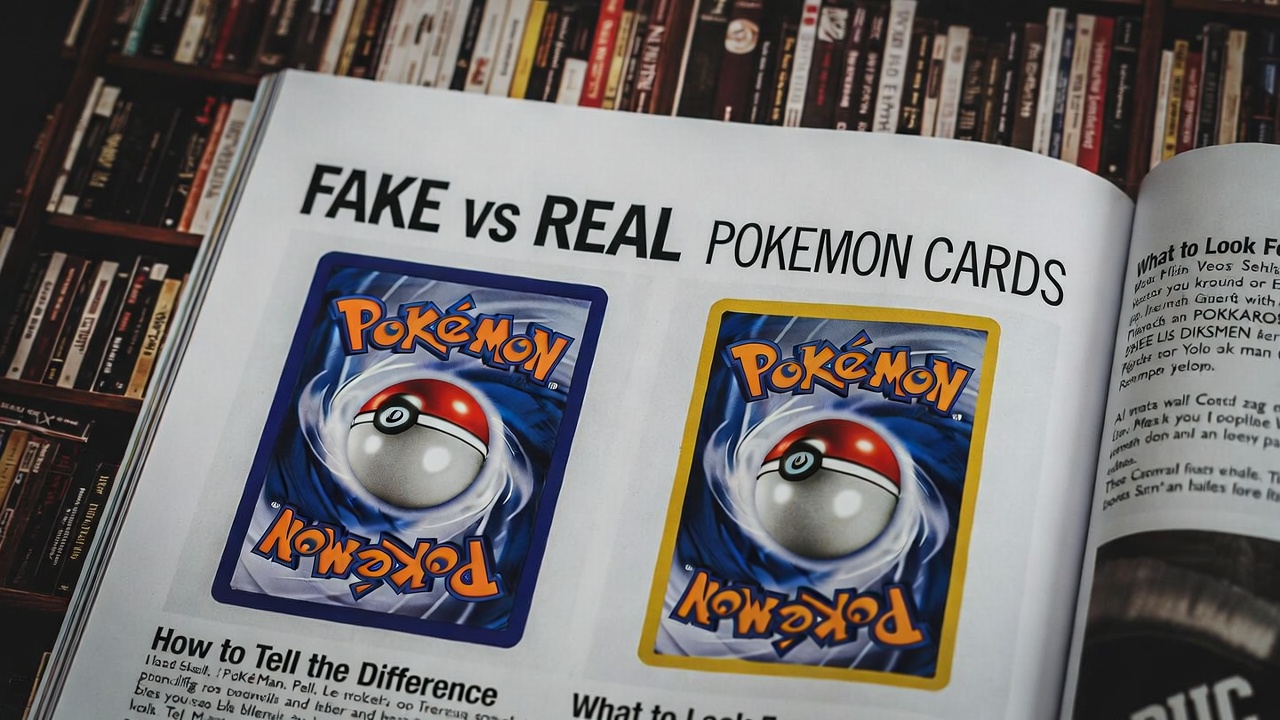
The Pokémon Trading Card Game (TCG) has exploded in popularity, with sealed booster boxes, graded “slabs,” and high-value chase cards fetching thousands of dollars. This boom has unfortunately attracted scammers. Counterfeit products—especially vintage and modern high-ticket items like 1st Edition Base Set packs, Scarlet & Violet chase boxes, or PSA 10 Charizards—flood the secondary market. Resealed boxes, fake slabs with swapped low-grade cards, and convincing counterfeit singles are common.
Building trust means educating yourself. Official Pokémon Company guidance and collector communities emphasize that if a deal seems too good to be true, it probably is. Reputable platforms (Pokémon Center, authorized retailers, eBay with authentication) and grading services (PSA, CGC, BGS) add layers of protection, but fakes evolve fast. Here’s a practical guide to the main differences between real and fake items, focused on higher-ticket products where the financial risk is greatest.
1. Booster Boxes and Sealed Products: The Most Common High-Value Scam Target
Resealed or entirely fake booster boxes are rampant because they’re expensive and rarely opened immediately. Scammers rip open packs, remove hits, and reseal with professional equipment.
Key tells for real vs. fake:
- Shrink wrap quality: Genuine wrap is tight, smooth, and made of thick plastic with crisp Pokémon Company logos or white printed seals. It has natural curves and T-shaped protrusions bunched in the middle of the top/bottom. Fakes often feel loose, crinkly, or cheap; seams may show folds, creases, straight cut lines (instead of wavy), or heat-gun burn marks.


- Pack orientation inside: Real boxes have booster packs neatly stacked and consistently oriented (right-side up, artwork facing forward). Random, sideways, or upside-down packs scream tampering or fake assembly.
- Box printing and logos: Compare fonts, colors, and alignment to official images. Fakes often have thinner text, off colors, missing symbols (e.g., no ® after “Poké Ball”), or poor QR codes.
- Weight and feel: Fake boxes or packs inside may feel lighter or have cards rattling loosely.
Pro tip for high-ticket boxes (e.g., Vintage or Japanese 151): Buy only from trusted sources with return policies. Demand unboxing videos if buying privately.
2. Individual Booster Packs
Even single packs from reputable boxes can be faked or resealed.
Spot the difference:
- Seal and cut: Authentic packs usually have straight, clean seals. Fakes may show zigzag/triangle cuts, uneven adhesive, or thinner foil.
- Art, text, and quality: Blurry printing, spelling errors, or off-color artwork are instant red flags. The foil wrapper on fakes is often thinner or less reflective.
- Feel and weight: Real packs have consistent “air” and card movement; fakes feel loose or overly flat.


Official Pokémon advice: Hold packs to bright light—counterfeits are often translucent in ways real ones aren’t.
3. Raw Cards (Singles)
High-value modern holos, full arts, and vintage cards are heavily counterfeited, often from China.
Main differences:
- Print quality and text: Real cards have razor-sharp fonts, perfect alignment, and no spelling/grammar errors. Fakes show blurry edges, wrong spacing, or faded colors.
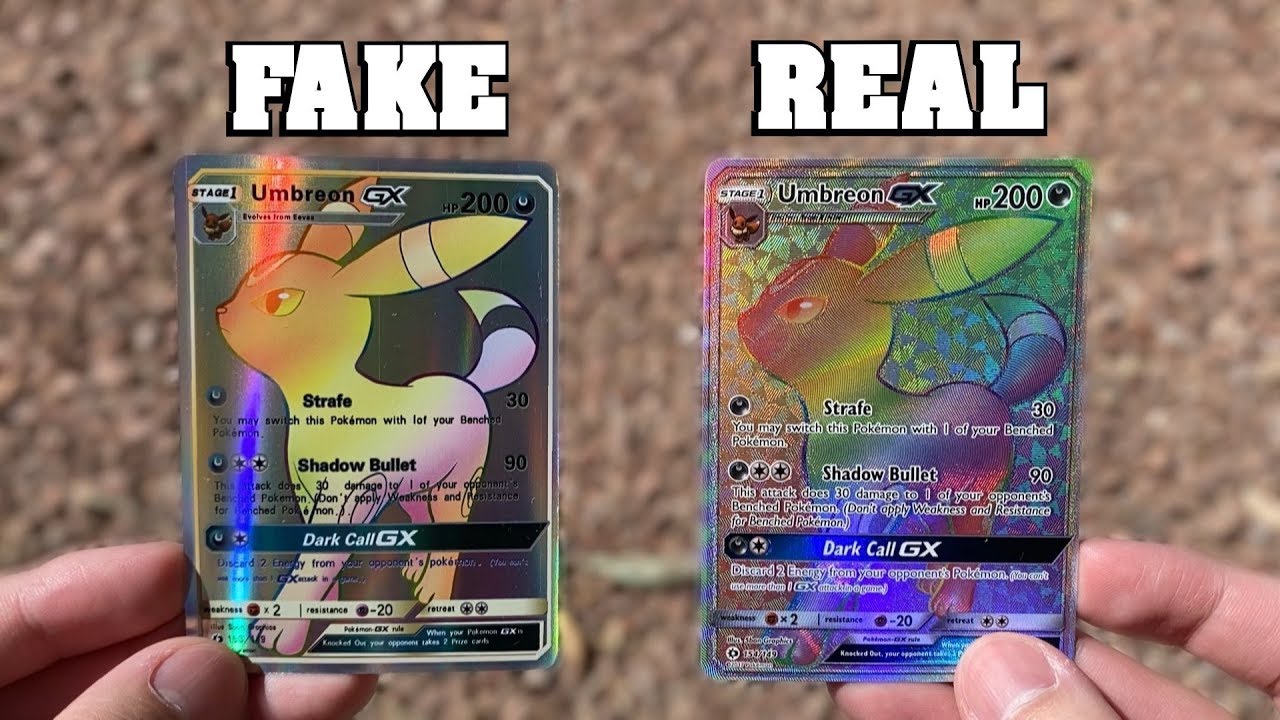
- Holographics and texture: Genuine holos shimmer with vibrant, shifting patterns and (on full arts/trainers) have distinct embossed texture. Fakes look flat, dull, or uniformly shiny—like a sticker.
/content/pokemon/12_21/15/How%20to%20Spot%20Fake%20Pokemon%20Cards%20Opengraph.jpg)
- Card stock and light test: Real cards feel substantial (~1.8–2.0g, proper thickness) with a black layer inside that blocks light. Fakes are flimsy, overly glossy, or let light shine through easily.
- Back design: Colors, alignment, and fine print must match exactly.
- Edges and corners: Precise, not rough or rounded incorrectly.
For expensive cards (e.g., Umbreon VMAX alt arts), compare side-by-side with known authentic examples from TCGPlayer or official databases.
4. Graded Slabs (PSA, CGC, BGS): The “Safe” Investment That Isn’t Always Safe
Fake slabs are sophisticated—often containing counterfeit cards in counterfeit cases. High-grade vintage slabs are prime targets.
Authentication checklist:
- Cert number verification: First step—plug the number into the grading company’s website (psacard.com, etc.). It must match the exact card, grade, and pop report photos. Mismatch = fake.
- Physical slab features:
- Plastic: Crystal clear, not cloudy/frosted in large patches (sign of cracking/resealing). No visible gaps or cracks at seams. Inner card-holder corners are sharp 90° angles, not rounded.
- Labels: Correct fonts (e.g., “G” in GEM MINT has no tail on newer PSA). Raised/engraved PSA logo on back (feel it). No flat/smooth logos.
- Security: Use a UV blacklight flashlight—real PSA slabs show specific watermarks and repeating “PSA” patterns. Fakes lack these or look off.


- Card inside: Must look authentic and match the grade (a PSA 10 shouldn’t have obvious defects). Demand high-res photos and videos.
Note: Older PSA slabs lack some modern security features and are faked more often.
Best Practices to Build Trust and Avoid Scams
- Buy smart: Stick to official stores, reputable dealers, or platforms with authentication (eBay Authenticity Guarantee). Avoid “too cheap” private sales on social media.
- Demand proof: Multiple high-res photos, videos, cert verification screenshots.
- Communities help: Cross-check on Reddit (r/PokemonTCG, r/PokeInvesting), Elite Fourum, or Discord groups.
- Tools: UV flashlight, digital scale, jeweler’s loupe, and official images for comparison.
- For big purchases: Use escrow or professional authentication services (LEGIT APP, etc.).
- Sell responsibly: Graded cards from reputable graders sell faster and build your reputation.
The Pokémon TCG is a fun, collectible hobby first and an investment second. Scammers prey on excitement and FOMO—stay vigilant, especially with items worth hundreds or thousands. Knowledge is your best defense. When in doubt, walk away or get it professionally verified. Happy collecting, and may your pulls always be real!
Sources drawn from official Pokémon support, collector forums, and expert comparison guides (2025–2026). Market conditions evolve, so always double-check current red flags with trusted communities.