Blog
The Ultimate Guide to Pokémon Card Collecting: Basics, PSA Grading History, Economics, and What to Watch For

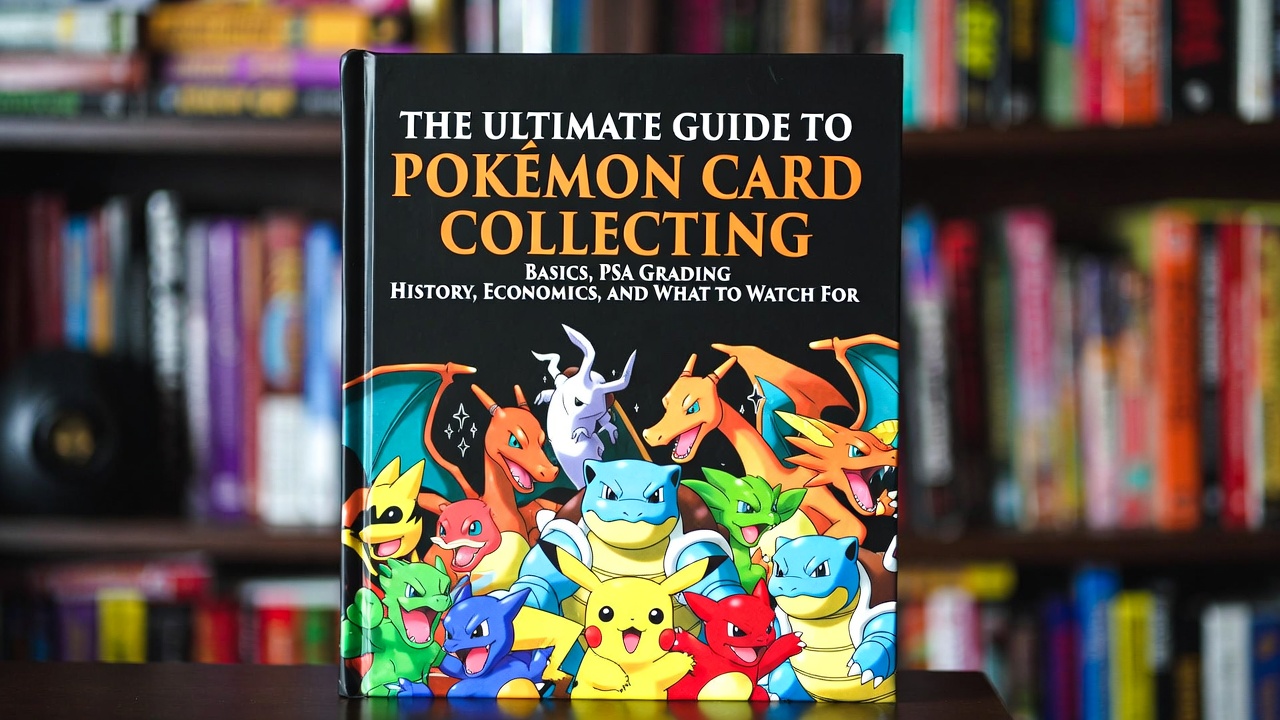
Pokémon cards have evolved from childhood playthings into a global phenomenon blending nostalgia, strategy, and serious collecting. Whether you’re chasing vintage Base Set holos or modern Scarlet & Violet chase cards, the hobby offers endless excitement. As big supporters of Professional Sports Authenticator (PSA), we focus here on why PSA remains the gold standard—especially for long-term value and trust—while covering collecting fundamentals, other graders, market economics, and key pitfalls.

Pokémon Collecting Basics: Getting Started Right
Pokémon Trading Card Game (TCG) cards launched in 1996 in Japan (1999 in the West) and exploded in popularity during the late ’90s/early 2000s boom. Today, new sets drop regularly under series like Scarlet & Violet, with expansions themed around regions, mechanics, or events.
Card Types and Anatomy (key elements every collector should know):
- Pokémon Cards: The stars—featuring creatures with HP, attacks, abilities, and evolution lines.
- Trainer Cards: Supporters, items, or stadiums that enhance gameplay.
- Energy Cards: Basic or special energy to power attacks.
Every card includes:
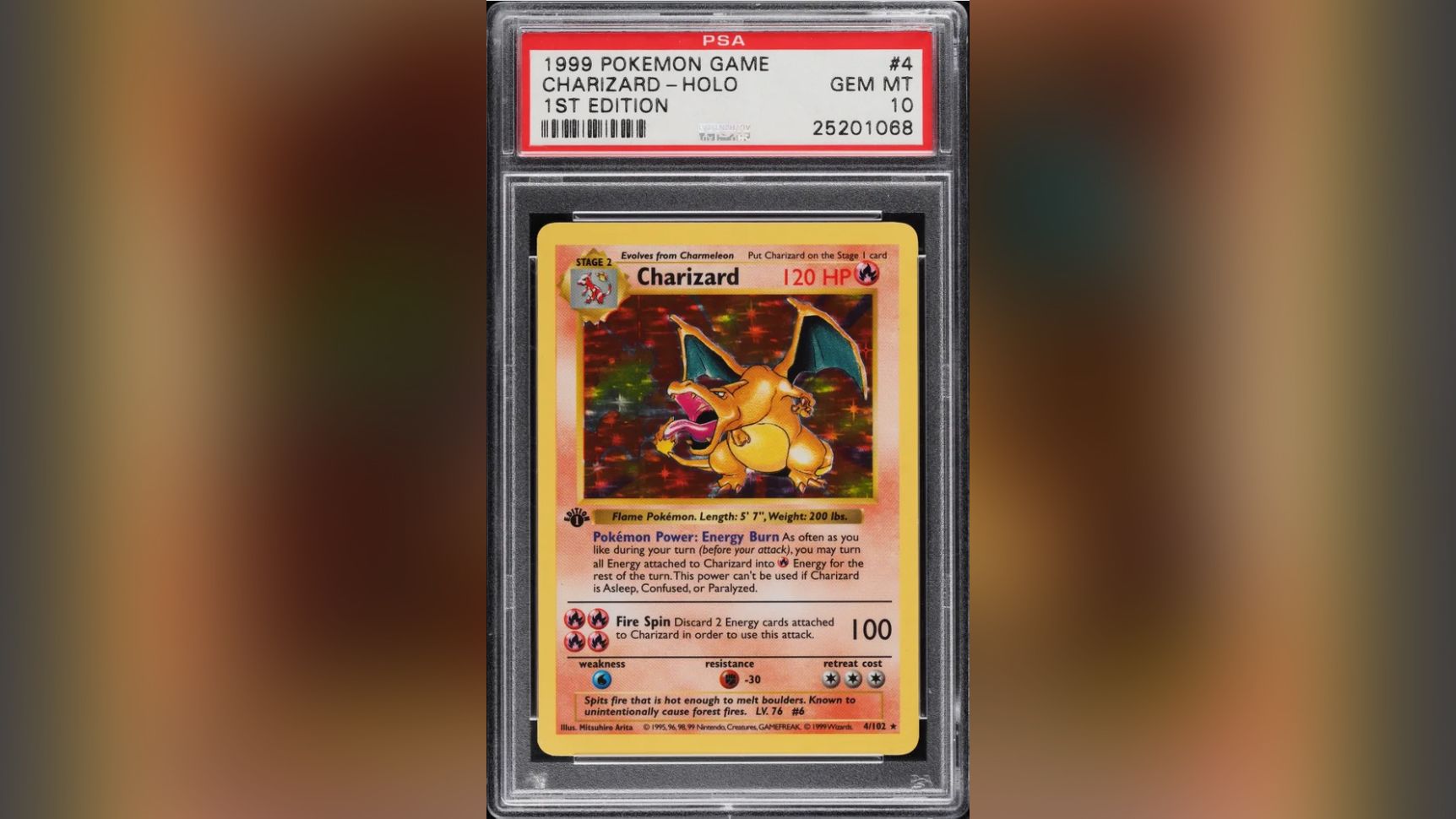
- Card Name and Number (e.g., #4/102 for a Base Set Charizard).
- Set Symbol (identifies the expansion).
- Rarity Symbol (circle for common, diamond for uncommon, star for rare; holos, reverses, full arts, and secret rares add premium appeal).
- 1st Edition Stamp (early Base Set printings—highly sought after).
- Illustration Credit and flavor text.
How to Start Collecting:
- Products: Begin with Elite Trainer Boxes (ETBs) for 8–10 booster packs plus accessories, or booster boxes for better pull rates. Starter decks suit players; sealed product appeals to investors.
- Protection First: Always sleeve cards (penny sleeves + top loaders for valuables). Use binders with pages or magnetic one-touch holders for display. Avoid direct sunlight, humidity, or bending.
- Goals: Build master sets, chase favorite Pokémon (like Charizard), focus on one set/era, or invest in high-grade vintage. Track progress with apps or spreadsheets.
Raw (ungraded) cards trade on condition—centering, corners, edges, and surface are everything. But for serious collecting or resale, grading changes the game.
The Importance of Grading: Turning Cards into Certified Treasures
Grading encapsulates a card in a tamper-evident “slab” with a grade (1–10) and cert number. It standardizes condition, deters fakes, and boosts liquidity. A PSA 10 “Gem Mint” can multiply value 10–100x over raw equivalents, especially for vintage.
History of PSA: From Sports Cards to Pokémon Dominance
Professional Sports Authenticator (PSA) was founded in July 1991 by David Hall (of coin-grading PCGS fame) to combat counterfeits in the exploding sports card market—think fake 1989 Upper Deck Ken Griffey Jr. rookies. Early adoption was slow; dealers resisted third-party opinions. But PSA’s consistent 1–10 scale (with “Gem Mint 10” as the pinnacle) and secure slabs built trust. By the late 1990s, PSA was grading over a million cards annually.
Pokémon cards entered PSA’s world gradually. Submissions were tiny in the 2000s (under 2,000 annually through 2010). The 2010s nostalgia wave—fueled by millennials entering adulthood—changed everything: 18,874 submissions in 2013 alone. PSA certified its 1 millionth Pokémon card in October 2019. Explosive growth followed the 2020–2022 boom. In 2025, PSA hit its biggest year ever, grading over 11 million TCG cards (vast majority Pokémon), with single cards sometimes exceeding an entire month’s output from competitors.
PSA’s cert numbers and label designs evolved (UV watermarks added ~2012–2017, security features updated), but the core promise—objective, trusted grading—remained. Today, PSA slabs are the most liquid in the hobby, with population reports tracking rarity (e.g., how many PSA 10s exist for a specific card).
Other Grading Standards: How They Compare
While PSA leads, alternatives exist:
- Beckett Grading Services (BGS): Offers sub-grades (centering, corners, edges, surface) out of 10. A “Black Label” (all 10s) is ultra-premium but rarer and pricier to chase. Strong for modern cards; historically more sports-focused.
- Certified Guaranty Company (CGC): Entered TCGs aggressively post-2020. Uses “Pristine 10” for perfect cards; slabs are thick and clear. Often stricter on centering; good value and turnaround for modern sets.
- Others (SGC, TAG/AI graders, smaller firms like KSA): SGC appeals to vintage purists with simpler slabs; emerging AI tools promise speed but lack PSA’s track record.
PSA edges out others in Pokémon for resale consistency and broad collector acceptance. A PSA 10 typically commands the highest premiums and easiest liquidity across eras.
Why PSA Is the Focus: The Gold Standard for Collectors and Investors
As supporters of PSA, we see it as the benchmark. Its market dominance means more buyers, better auction data, and stronger long-term appreciation. PSA’s rigorous process (multiple graders, quality assurance) minimizes subjectivity, and its population reports let you gauge true scarcity. For vintage icons or modern chase cards alike, PSA slabs hold value through market cycles.
Economics and Historical Returns: Pokémon as an Asset Class
Graded Pokémon cards—especially PSA 10s—have delivered exceptional returns. Analytics from Card Ladder show select high-grade/rare cards returned 3,261% to 3,821% cumulatively over ~20 years (2004–2024/2025), versus the S&P 500’s ~483–514% in the same period. That’s an annualized ~18–19% CAGR for top performers, driven by vintage supply scarcity and demand surges.
Key Drivers:
- Vintage (1999–2000s Base Set era): PSA 10 1st Edition Shadowless Charizards have set records ($300k–$550k+ range). The ultra-rare Pikachu Illustrator PSA 10 sold for $5.275 million in 2021–2022.
- Sealed Product & Modern: Strong but more volatile; supply is higher.
- Recent Trends: 2025 grading volume reflects sustained demand, but modern cards can see sharper corrections.
Grading costs (recently increased for some tiers to ~$25–$80+ per card, with 25–75+ business day turnarounds) are an investment—PSA 10s routinely justify it. Population reports help: low-pop PSA 10s outperform.
Caveat: Not every card appreciates. Focus on iconic artwork, low print runs, or meta-relevant cards. Diversify and buy what you love.
Primary Things to Look Out For: Protecting Your Collection
- Fakes and Tampering: Counterfeit cards and fake PSA slabs are rampant. Always verify the cert number on psacard.com (does the image match?). Look for:
- UV watermarks/holograms (shine blacklight; real ones glow properly).
- Raised/embossed PSA logos (not flat).
- Clear (not frosted/cloudy) plastic; perfect 90° inner corners.
- Correct fonts (e.g., no “tail” on “G” in GEM MINT for certain eras).
- Tamper evidence like cracks or gaps.


- Condition Even in Slabs: Check for cracks, label issues, or swapped cards.
- Market Risks: Over-submission can increase supply; hype cycles fade. Buy from reputable sources (eBay with returns, major auction houses, authorized dealers).
- Grading Strategy: Submit only strong candidates (eyeball for PSA 9–10 potential). Vintage benefits most from PSA.
- Storage & Insurance: Climate-controlled; insure high-value slabs.
Final Thoughts: Collect Smart, Enjoy the Journey
Pokémon collecting rewards patience, research, and passion. Start small, protect your cards, and lean on PSA for the pieces that matter most—its history of trust, market leadership, and proven economics make it the smartest choice for both fun and potential returns. Whether you’re building a binder of favorites or chasing six-figure gems, the hobby’s best days are ahead.
Gotta collect ’em all—responsibly. What’s your first target card?